
[A Beginner's Guide to Boxing] Unlocking Boxing's History: From Brutal Combat to Hong Kong's Trendiest Lifestyle Workout

Think boxing is just for fighters? Discover the history of the Sweet Science and learn why Fitness Boxing has become the ultimate fat-burning and stress-relieving workout for beginners in Hong Kong. Read our beginner FAQ!

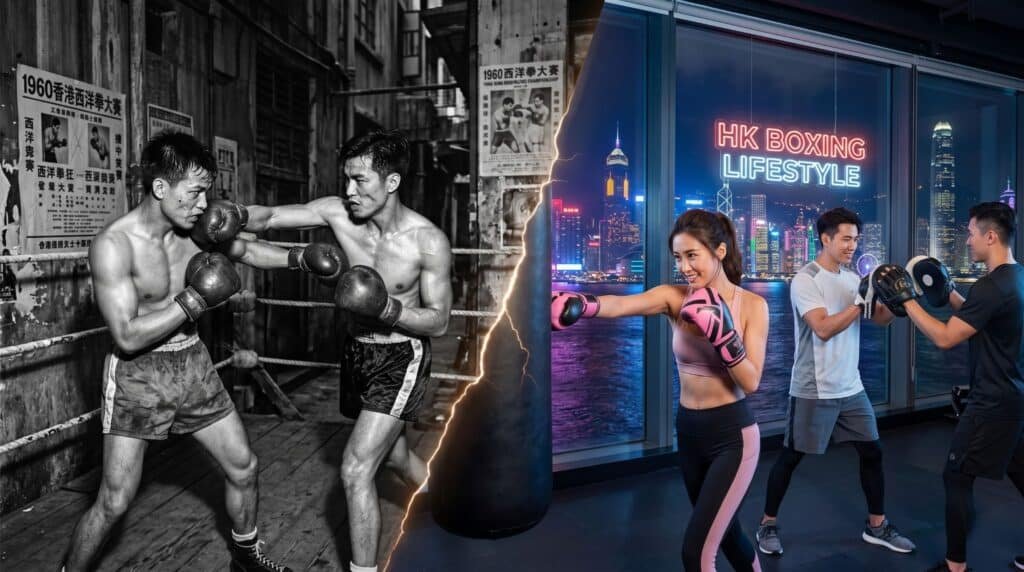
Walk down Nathan Road in Mong Kok or Hennessy Road in Causeway Bay, look up, and you will easily spot the neon signs of countless boxing gyms lighting up the buildings. Once upon a time, the traditional Hong Kong mindset associated boxing with street thugs or delinquents. But today, the sport known globally as “The Sweet Science” has transformed into the ultimate lifestyle trend for white-collar professionals, office ladies, and students in Hong Kong.

How exactly did Western boxing evolve from ancient, bloody combat into the premium fat-burning workout sweeping the city? And if you have absolutely no experience, what should you expect before stepping into a boxing gym for the first time? This article takes you on a journey through time to understand the history of boxing and debunks the common myths about learning the sport today!

(If you are already eager to sign up but don’t know how to choose the right gym, check out this guide first: 👉 [How to Choose a Boxing Gym in HK? A Former HK Team Coach Reveals 5 Red Flags])

1. Breaking the Stereotype: Boxing is No Longer Just for "Thugs"

If you watched Hong Kong Triad movies in the 80s and 90s, underground boxing gyms were often depicted as smoky, chaotic, and full of shady characters. This pop-culture portrayal caused a massive misunderstanding, making many locals feel that boxing was a violent activity reserved for gangsters.

However, the reality of boxing’s development is a completely different story! With the popularization of sports science, the public began to realize that boxing is a sport requiring incredibly high fight IQ, tactical planning, and full-body coordination. Furthermore, the international success of local professional boxers (like the “Wonder Kid” Rex Tso) brought the sport into the mainstream spotlight.

Today, 9 out of 10 boxing gyms in Hong Kong are brightly lit, stylishly designed, and equipped with heavy bass sound systems and professional coaching teams. The people training at night aren’t looking for a street fight; they are corporate executives needing to vent stress after work, women looking to sculpt their abs, and regular office workers wanting to build their stamina. Boxing has become a lifestyle attitude that represents “discipline” and “swagger.”

2. Unlocking Boxing History: How Was This Sport Forged?

To truly appreciate the appeal of modern boxing, we must look back at its millennia-long evolution. The development of Western boxing is essentially a microcosm of humanity moving from “barbarism” to “civilization.”

1. Ancient Times: Primal Combat for Survival

The origins of boxing can be traced back to Ancient Egypt around 3000 BC, where murals depicted two men fighting. By 688 BC in Ancient Greece, boxing became an official event in the ancient Olympic Games. However, the matches back then were brutally raw:

  • No weight classes: A heavyweight could fight a skinny lightweight.

  • No time or round limits: They fought until one man went down and couldn’t continue.

  • Cestus: Fighters wrapped hard leather strips (Cestus) around their hands to increase damage. That era was purely about primal strength and the ability to “take a beating,” a far cry from the sportsmanship and safety standards of today.

2. The British Bare-Knuckle Era and the "Father of Modern Boxing"

Fast forward to the 17th century, and the prototype of modern Western boxing emerged in the UK. Known as “Bare-knuckle boxing,” fighters still didn’t wear gloves, and matches typically ended only when someone was knocked unconscious. In the 18th century, an Englishman named Jack Broughton—now hailed as the “Father of Modern Boxing”—accidentally killed an opponent in the ring. Filled with guilt, he drafted the first written set of rules in boxing history: The Broughton Rules. He introduced groundbreaking concepts like “no hitting a downed man” and “drawing a line in the center of the ring.” This wasn’t just to protect the fighters; it was the major turning point that steered boxing toward modern competitive sports.

3. Why the Gloves? The Birth of the Queensberry Rules

Many beginners wonder: “Why do boxers have to wear such thick gloves?” It all stems from the Marquess of Queensberry Rules established in 1867. These rules laid the foundation for modern professional boxing, introducing three core changes:

  • Mandatory padded gloves: Many mistakenly believe gloves were invented to protect the person getting hit. It’s actually the exact opposite! The human skull is much harder than finger bones. In the bare-knuckle days, fighters rarely threw full-power headshots to avoid breaking their own hands. With gloves protecting their hand bones, fighters could strike the head more frequently and with much more power, making the fights more exciting and tactically diverse.

  • 3-minute rounds, 1-minute rest: Giving fighters time to recover.

  • The 10-Count: If knocked down, a fighter has 10 seconds to get back up and continue. These rules successfully washed away boxing’s “street brawl” reputation, officially cementing it as a globally recognized professional sport.

3. Why is "Fitness Boxing" So Popular Now?

Back to modern-day Hong Kong. If everyone had to step into the ring and trade actual blows, this sport would never have taken over districts like Mong Kok and Causeway Bay. The biggest driving force behind boxing becoming a trend is the rise of “Fitness Boxing.”

For beginners who just want to lose weight and break a sweat, modern gyms perfectly combine “boxing technique” with “High-Intensity Interval Training (HIIT).” Here are the top three benefits for city dwellers:

  • Extreme Fat Burning: Remember, punching isn’t just about the arms! You use your calves, thighs, and core (waist and abs) to generate power and transfer it to your fists. An hour of boxing can burn 600 to 800 calories—more than double that of a slow jog! 👉 [Read more: Boxing for Weight Loss: Burn 800 Calories in One Hour!]

  • 🧘‍♀️ The Ultimate Stress Reliever: Stressed out by your boss all day? After work, put on the gloves, throw full-power punches at the heavy bag or the coach’s mitts, and listen to that crisp “smack.” Your brain instantly releases endorphins, making the stress vanish.

  • 🛡️ Confidence and Self-Defense: By learning footwork, slips, rolls, and proper punching mechanics, beginners rapidly improve their physical coordination and reflexes. Even if you never spar, standing taller and moving faster will massively boost your self-confidence. 👉 [Want to level up? Discover 4 Deliberate Practice Drills to Improve Your Skills]

Traditional Sparring vs. Fitness Boxing

If you are afraid of pain or injury, take a look at the table below to understand the two completely different training models offered by modern gyms:

FeatureTraditional Boxing (Sparring / Competitive)Fitness Boxing (Pad Work / Heavy Bag)
Who is it for?Those aiming for amateur/pro fights or pursuing martial arts mastery.Beginners seeking fat loss, stress relief, with zero experience.
Main Training FocusSparring, taking hits, extreme combat conditioning.Hitting the heavy bag, pad work (coach catches punches), core conditioning.
Injury RiskBruises, bloody noses, real physical contact.Extremely low. No getting hit in the face. Mostly just muscle soreness from a great workout.
Required GearMouthguard, groin guard, headgear, boxing shoes, sparring gloves.Comfortable activewear, handwraps, training gloves.


4. Beginner FAQ: Your First Time at the Gym

If you are on the fence about stepping into a gym for the first time, let me answer the three most common questions beginners have:

Q1: I have zero athletic background and get out of breath jogging for 10 minutes. Can I still learn to box?

Absolutely! Having no background is exactly why you need to start. Professional coaches adjust the intensity based on your fitness level. In the beginning, they mostly teach you the basic stance and how to throw a jab. They will never push you until you throw up in your first class.

Q2: Do I need to buy my own gloves for a trial class?

Usually, no. The vast majority of gyms in Hong Kong provide communal gloves for you to borrow. You just need comfortable workout clothes, clean indoor athletic shoes, a towel, and a water bottle. If you enjoy the trial and decide to learn long-term, it is highly recommended to buy your own handwraps and beginner gloves for hygiene and wrist protection.

Q3: Are gyms full of intimidating, massive guys? Is the vibe aggressive?

This is the biggest myth left over from the movies! As mentioned earlier, a huge percentage of the clientele in gyms across Causeway Bay and Mong Kok are women and polite office workers. The coaches are usually friendly and humorous. Accompanied by upbeat music, the atmosphere is energetic and fun—there is absolutely no intimidating “staredown” vibe.

5. Conclusion: Give Yourself a Reason to Put on the Gloves

From the brutal survival games of Ancient Greek arenas to the rules laid down by British gentlemen, and finally becoming the trendiest fat-loss and stress-relief sanctuary in bustling Hong Kong, Western boxing has undergone a long and fascinating evolution.

It is no longer a synonym for ruthless street fighting; it is a “Sweet Science” where you converse with your own body. Every punch you throw is a counterattack against the stressed, exhausted version of yourself from yesterday.

If you are looking for a new sport, find the treadmill boring, or want to experience a different kind of sweaty thrill on the streets of Mong Kok this weekend, take a bold step forward and book a trial class. The moment you put on those gloves and throw your first punch, you’ll realize this century-old sport is far more fun than you ever imagined!

👉 Book your 1-on-1 Boxing Trial Class via WhatsApp today!