Hong Kong Boxing History -- From Southorn Stadium to the Queen Elizabeth Stadium! A Former HK Team Coach Explains the Development and Legends of Western Boxing in HK

Did boxing in HK start as street fights? Discover the true Hong Kong boxing history with former HK Team coach Chan Ka Wa! From the grassroots passion of Southorn Stadium to Rex Tso's boxing mania, learn how boxing became HK's trendiest sport.

Nowadays, if you walk through Mong Kok, Causeway Bay, or Central, you can easily hear the rhythmic smack of heavy bags echoing from commercial buildings. Inside these boxing gyms, you’ll find white-collar workers blowing off steam after work, office ladies (OLs) sculpting their abs, and ambitious youths determined to step into the ring. Boxing in Hong Kong has seemingly become a lifestyle that represents style, discipline, and health.

But if you turn back the clock thirty or forty years and told your neighbors, “I’m going to learn Western boxing,” most of them would frown and ask, “Boxing? Are you joining a triad gang to learn how to street fight?”

As a former member of the Hong Kong Boxing Team, I have experienced the highs and lows of the local boxing scene, and I’ve heard countless stories from the older generation about the blood, sweat, and tears shed in the rings of the past. The development of Western boxing in Hong Kong did not happen overnight; it is the result of generations of boxers quietly grinding and sacrificing. Today, let me take you through a time tunnel to review this history of Hong Kong boxing—a story built on sweat and glory!

Phase 1: The 1970s to 1980s — Grassroots Passion at Southorn Stadium & Underground Gyms

When people talk about the Hong Kong martial arts scene in the 70s and 80s, the first thing that comes to mind is usually the Bruce Lee kung fu craze or various traditional Chinese martial arts schools. In contrast, Western Boxing was considered a relatively “niche” sport with a strong grassroots flavor.

The "Street Brawling" Myth vs. True Passion

Heavily influenced by pop culture and local triad movies, underground boxing gyms were often depicted as smoky, chaotic places filled with shady characters. The public had a deep stereotype of boxing, believing that anyone who learned to box was a “hooligan” or a triad member.

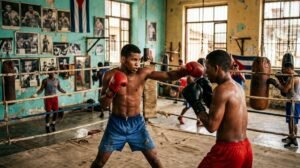
In reality, there was a group of dedicated fighters and coaches in Hong Kong who deeply loved Western boxing. They quietly promoted this “Sweet Science” despite a severe lack of resources. Back then, there were no air-conditioned gyms; training mostly took place on rooftops, in cramped tenement apartments, or even in public parks. Heavy bags were hand-sewn from canvas and stuffed with rags and sand, and gloves were used until they literally fell apart.

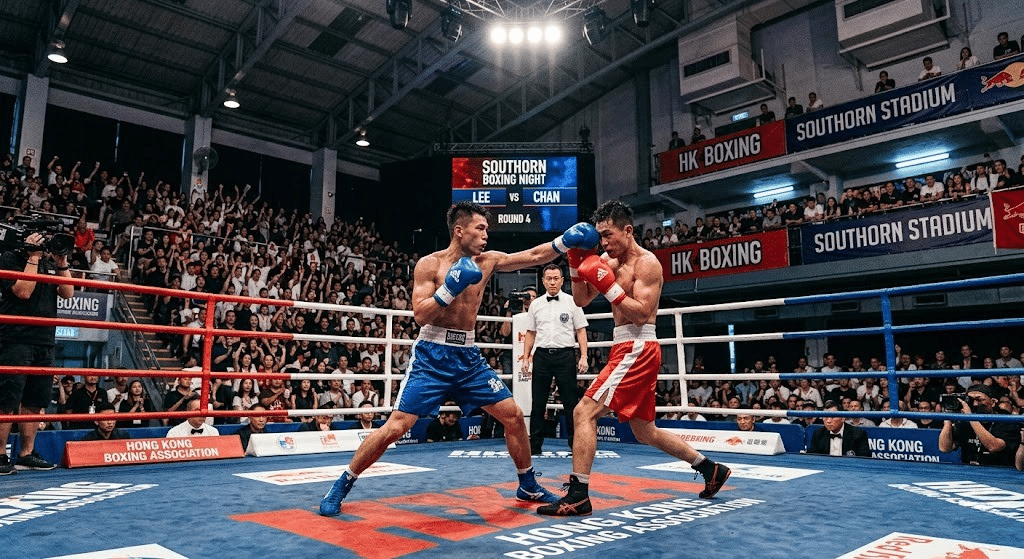
Southorn and MacPherson: The "Madison Square Gardens" of Early Boxers

When talking about the sacred grounds of early Hong Kong boxing, one must mention Southorn Stadium in Wan Chai and MacPherson Stadium in Mong Kok. Many neighborhood welfare associations or sports clubs would host various combat matches here.

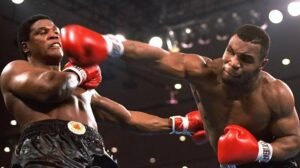
Although the matches in that era lacked the comprehensive medical and protective gear we have today, the fighters’ fighting spirit was at 100%. The crowd was usually packed with locals chewing gum and smoking cigarettes. Whenever a heavy punch landed, the entire stadium would erupt in deafening cheers. This raw, flesh-and-bone grassroots passion birthed the first generation of Hong Kong boxing pioneers (such as Master Tso Shu Yan, who contributed greatly to the local boxing community), laying the most solid foundation for the sport’s future development.

Phase 2: The 1990s to 2000s — The Rise of the Amateur System and the "Hong Kong Boxing Team"

Entering the 90s, Hong Kong’s society grew increasingly affluent, and sports development began to formalize. The development of Western boxing in Hong Kong reached its most crucial turning point: Systematization and Internationalization.

Systemic Reforms by the Boxing Association of Hong Kong, China (BAHK)

To wash away the stigma of “street brawling” and align with the International Olympic Committee, the Hong Kong Boxing Association (as it was known then) played a massive role. They began strictly enforcing the rules of the International Amateur Boxing Association (AIBA, now IBA):

  • Mandatory Protective Gear: All amateur matches required certified headgear and mouthguards.

  • Introduction of Electronic Scoring: Emphasizing punch clarity and technique, rather than just raw power.

  • Strict Medical Protocols: Mandatory pre-fight physical examinations by registered Western doctors and strict weigh-ins.

These reforms made the public realize: “Boxing is a highly tactical, strictly protected professional athletic sport, not a street fight.”

💡 Extended Reading: Want to know how to register for official BAHK tournaments today? Read this 👉 HK Boxing Competition Guide: Want to Fight? 3 Amateur Tiers & BAHK Entry Rules Explained

Wearing the HK Team Colors: The Blood and Sweat of Competing Abroad

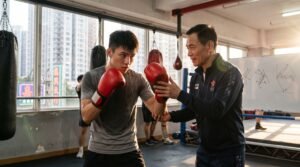
During this era, Hong Kong began to establish its own Hong Kong Boxing Team. As a former member of the team, I deeply understand the heavy responsibility and passion of fighting for our city’s glory.

Although our training conditions were better than in the 70s, facing foreign powerhouses was still a grueling battle. We had to fly to various provinces in Mainland China, or travel as far as Southeast Asia and Central Asia (such as boxing powerhouses like Kazakhstan and Uzbekistan, which used the Soviet system) for training camps and competitions. Facing taller opponents who were trained in the “Soviet Scientific Boxing System” from a young age, Hong Kong boxers relied on their undying spirit and agile footwork to carve out their own space in the Asian boxing scene.

In those days, daily life consisted of running, making weight, eating punches, applying ice packs, and stepping back into the ring. Every time we heard the name “Hong Kong” announced in a foreign ring, the sense of pride was something no amount of money could buy.

💡 Extended Reading: Want to learn the elite techniques used by the HK Team? Read this 👉 [Boxing Padwork Guide] Heavy Bag vs Pads? 5 Benefits & Beginner Mistakes

Phase 3: 2010s to Present — The "Wonder Kid" Sparks a Pro Craze, and Boxing Goes Mainstream

If the 90s laid the institutional foundation for Hong Kong boxing, then the 2010s were undeniably its “Golden Boom.”

The Rex Tso Effect: From Niche Sport to Citywide Focus

When talking about recent Hong Kong boxing history, we cannot skip the “Wonder Kid,” Rex Tso. Carrying an unprecedented 22-fight win streak, he pushed Hong Kong professional boxing to heights never seen before.

Suddenly, everyone in Hong Kong was talking about “Southpaws,” “Uppercuts,” and “Winning by Decision” over dinner. The venues for boxing matches upgraded from local sports centers to the Hong Kong Convention and Exhibition Centre, and even the dream stage for countless athletes: the Queen Elizabeth Stadium (QES). During those years, whenever there was a major boxing event, the whole city paid attention, and tickets were impossible to get. Boxing officially became the pride of Hong Kong.

A Gorgeous Transformation: The Rise of Fitness Boxing

Riding this boxing wave and the popularization of sports science, Western boxing finally completely shed its “dangerous” label and experienced a massive commercial boom.

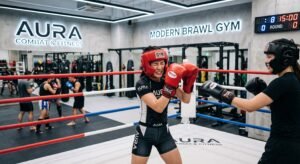
Capital investors and professional coaches began combining boxing techniques with High-Intensity Interval Training (HIIT), giving birth to the incredibly popular Fitness Boxing. Boxing gyms were no longer synonymous with the smell of sweat and blood; they transformed into trendy, brightly lit spaces with professional shower facilities and thumping EDM music.

White-collar men discovered that boxing builds explosive power and relieves stress better than lifting weights. Office Ladies (OLs) realized that hitting the heavy bag for an hour burns 800 calories, making it the ultimate shortcut to sculpting a lean physique. Even children started joining kids’ boxing classes to build discipline and focus.

💡 Extended Reading: Want to know the science behind fat-burning in boxing? Read this 👉 Boxing for Weight Loss: Burn 800 Calories in One Hour!

Conclusion: Inherit the History, Fight for Your Future!

From the canvas heavy bags at Southorn Stadium to the dazzling spotlights at the Queen Elizabeth Stadium, and now the boutique gyms spread across the city—the history of Hong Kong boxing is essentially a history of Hong Kongers constantly seeking breakthroughs and refusing to give up.

The blood and sweat shed by the pioneers paved the way for the safe, scientific training environments we enjoy today. History moves forward, but authentic boxing techniques and that “never-say-die” spirit must always be passed down.

Whether you simply want to break a sweat and lose weight, or you have a fire in your heart to step into the ring, you need an authentic training system that has been tested by history and combined with modern science.

Chan Ka Wa Boxing inherits the technical foundation of the Hong Kong Boxing Team, combined with the elite Soviet boxing training system. We don’t just teach you how to throw a punch; we teach you the wisdom of the ring and the unyielding willpower passed down through history.

Are you ready to become a part of the Hong Kong boxing story?

👉 Click Here / WhatsApp us now to book your first 1-on-1 Professional Boxing Trial Class and experience authentic coaching from a former HK Team representative!