
[HK Boxing Competition Guide] Want to Step Into the Ring? A Former HK Team Coach Breaks Down 3 Amateur Boxing Tiers & BAHK Entry Rules

【香港拳擊比賽指南】想上擂台?前港隊拆解 3 大業餘拳擊比賽與報名攻略 打沙包打到身痕想上擂台?前香港代表隊教練陳嘉華為你全面拆解香港拳擊比賽指南!由拳館交流賽、白領拳擊到香港拳擊總會新秀賽,詳解報名門檻、體檢要求與實戰備戰攻略,助你踏出擂台第一步! Hong kong boxing competition Itching to fight? Former HK Team coach Chan Ka Wa breaks down the ultimate Hong Kong boxing competition guide! From inter-club smokers and White Collar Boxing to BAHK Novice and Points Tournaments, learn the entry requirements and fight prep strategies.

[HK Boxing Competition Guide] When you’ve been training at the gym for a year or so, your fundamentals are solid, your punches on the heavy bag and mitts sound crisp, and you’re even starting to dominate light sparring sessions… At this point, a bold thought often pops into your head: “Do I actually have what it takes to step into the ring for a real fight?”

As a former member of the Hong Kong Boxing Team, I can tell you with absolute certainty: Stepping into the ring is not a privilege reserved only for professional world champions!

As long as you have the determination and are willing to undergo systematic training, Hong Kong has a wide variety of amateur boxing competitions suited for different skill levels and backgrounds. Today, using my perspective from the HK Team, I will completely break down the “3 Major Competition Tiers” in the Hong Kong boxing scene. Whether you just want to challenge yourself for fun or officially embark on an athletic journey, this ultimate guide will help you find the perfect ring!

Tier 1: Inter-Club / Smoker Fights

For beginners who have never experienced the pressure of “Full Contact Sparring,” an inter-club competition is absolutely your best starting point.

  • Nature of the Event: These events are usually co-organized by a few allied gyms. The goal isn’t to fight for a championship belt, but to allow students to accumulate real-ring experience. In Western countries, these are commonly known as “Smokers.”

  • Vibe and Threshold: The entry barrier is extremely low. As long as your coach believes your defense and cardio are at a safe standard, they will match you with an opponent of similar weight and experience. The crowd mostly consists of your gym mates and coaches, making the atmosphere incredibly friendly, supportive, and energetic.

  • Gear and Safety: Safety is the number one priority. Competitors usually wear thicker 14oz or 16oz gloves, heavily padded headgear, and groin guards. Referees are also highly protective of the fighters; if someone is severely gassed out or takes a heavy shot, the ref will step in early or stop the fight.

  • Why You Should Do It: Ring anxiety is a phase every fighter must go through. Inter-club fights help you get used to the psychological pressure of throwing punches while dozens of people are watching. It is the first step to overcoming your fear.

Tier 2: White Collar Boxing

If you are a professional, a finance executive, or an expat working in Central who wears a suit by day but seeks the ultimate adrenaline rush by night, White Collar Boxing HK is the premium stage designed for you.

  • Nature of the Event: Originating in New York and London, White Collar Boxing is tailored for professionals with zero combat experience. Famous events in Hong Kong include “Hedge Fund Fight Nite” and various charity boxing galas.

  • Vibe and Threshold: The packaging of these events is exceptionally grand. Fight night is usually a black-tie charity dinner where your bosses, colleagues, and clients dress in suits and evening gowns, cheering for you while sipping red wine. To enter, organizers typically require participants to undergo a grueling 8 to 12-week closed “Fight Camp.”

  • Training and Safety: During these 3 months, the event’s coaching team will train you from a regular office worker into a fighter with foundational combat skills. Safety remains paramount, with mandatory headgear, thick gloves, and shorter rounds (usually 2 minutes, or even 1.5 minutes).

  • Why You Should Do It: This is a once-in-a-lifetime experience that pushes your physical and mental limits. Walking out under the dazzling lights to your chosen walk-out song brings a sense of heroism and glory that you will never experience sitting in an office.

Tier 3: Boxing Association of Hong Kong, China (BAHK) Official Tournaments

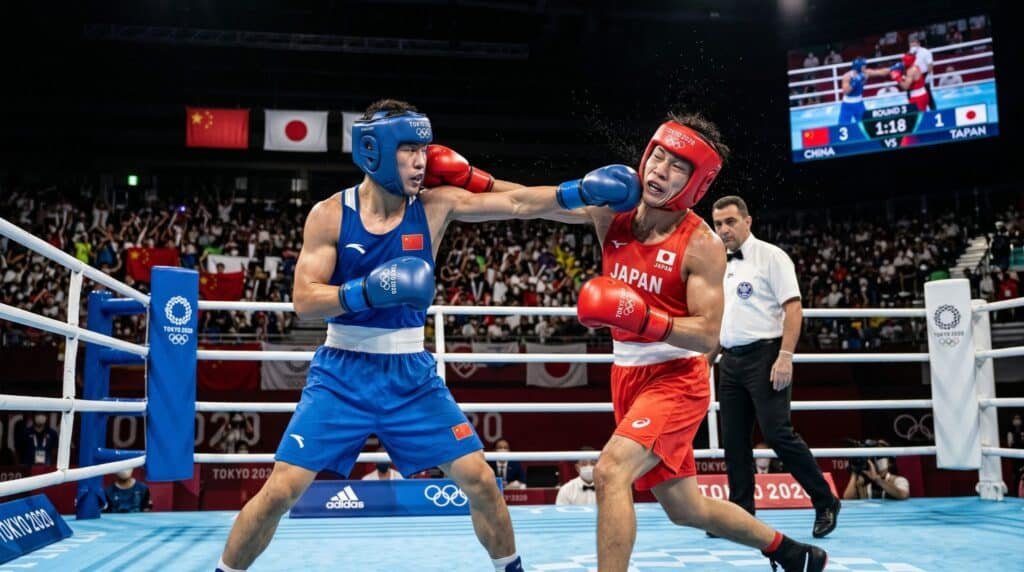
If you have a true passion for boxing, want to experience the most authentic Olympic-style amateur boxing, or even dream of representing Hong Kong one day, you must challenge the official tournaments hosted by the Boxing Association of Hong Kong, China (BAHK). This is the breeding ground for all HK Team representatives (including myself).

Event Categories: Novice vs. Points Tournaments

The BAHK hosts tournaments of various levels every year, primarily divided into two main categories:

  • Boxing Novice Championship: Designed for “newcomers” who have never participated in, or have very little experience in, official fights. This is the perfect battlefield for regular people to test the waters because your opponent will also have limited competition experience.

  • Hong Kong Boxing Points Tournament: This is the highest level of amateur boxing in the city. Winners have the chance to be scouted for the Hong Kong Representative Team to compete in world tournaments hosted by organizations like World Boxing, ASBC, or IBA. Achieving good results here opens the door to major events like the Olympics, National Games, and Asian Games.

Entry Requirements & Prerequisites (Extremely Important!)

You cannot just “walk in” and demand to fight in a BAHK tournament. You must comply with these strict rules:

  • Join an Affiliated Club: You must register through an “Affiliated Club” (a qualified boxing gym) recognized by the BAHK. Your coach will assess your abilities and recommend you for the competition on behalf of the gym.

  • Apply for a “Blue Book” (Competition Log Book): All fighters must apply for a Competition Log Book (commonly known as the Blue Book) from the association to record match results and medical status.

  • On-site Doctor’s Medical Check: Before fighting, you must undergo a full physical examination (including eyesight, heart, and blood pressure) conducted by a registered Western doctor arranged by the association right at the venue. This proves you are fit for intense combat sports.

  • Strict Weigh-in System: Amateur weigh-ins are unforgiving. They usually take place on the morning of the fight. Being even 0.1kg overweight results in immediate disqualification (DQ)—no exceptions.

(As a former HK Team representative, I am intimately familiar with the BAHK scoring system and ring rhythm. How do you balance punch clarity and aggression under Olympic rules? Our sparring classes will train you exactly to competition standards!)

Want to Step Into the Ring? 3 Prep Realities You Must Face

Having a fight lined up is exciting, but the ring is a brutally honest place. Whatever corners you cut in training, your opponent’s fists will pay you back double. Before deciding to sign up, ensure you are mentally prepared for these 3 realities:

1. Cardio is Your Bulletproof Vest

Many people can hit the heavy bag for an hour straight, but completely gas out after 1 minute in the ring. The tension of a real fight causes a massive adrenaline dump, rapidly depleting your oxygen. You must incorporate targeted High-Intensity Interval Training (HIIT) and sprints into your routine. 👉 [Extended Reading: Always Gassing Out? A Former HK Team Coach Breaks Down the 3 Energy Systems & Fight Prep]

2. Get Used to the Feeling of "Getting Hit"

The biggest difference between hitting the bag or mitts and fighting is that the bag doesn’t hit back. You will eat punches in the ring. The key is how you react after taking a shot—do you close your eyes, turn your head, and back away? Or do you stay calm, keep your guard up, and look for counter opportunities? This pressure resistance can only be built through long-term Conditioned Sparring. 👉 [Extended Reading: Break Your Bottleneck! 4 “Deliberate Practice” Drills Coaches Don’t Tell You About (Slips, Distance & Counters)]

3. Footwork Dictates Life and Death

In amateur boxing, whoever controls the distance controls the entire fight. Don’t just stand flat-footed throwing power punches; you must possess agile in-and-out footwork and lateral movement capabilities. 👉 [Extended Reading: Pro vs. Olympic Boxing: Why is Footwork So Important?]

Conclusion: Take Your First Step Toward the Ring!

After reading this guide, is your blood starting to boil? Are you craving the physical sensation of stepping through those ropes?

Fighting in the ring is never about proving anything to anyone else; it’s about meeting a stronger, braver version of yourself. Those few dozen steps from the locker room to the ring will be one of the most unforgettable walks of your life.

However, if you want to compete, blindly hitting the heavy bag by yourself is absolutely not enough. You need an experienced coaching team to design a targeted training plan for punch resistance, tactics, and conditioning.

Chan Ka Wa Boxing boasts top-tier techniques from the former Hong Kong Boxing Team and a Soviet scientific training system. Whether you want to fight in your very first inter-club smoker or aspire to challenge the BAHK Novice Championships, we can tailor a custom [Fight Prep PT Program] and [Advanced Sparring Class] just for you.

A high-quality pair of boxing gloves is your best comrade when stepping into the ring: 👉 [The Beginner’s Guide to Choosing Boxing Gloves in 1 Picture]

Stop waiting! 👉 WhatsApp us now to learn about our latest fight prep courses and march toward the ring together!