
【Coach's Column】Why is Uzbek Boxing So Dominant? A Former Olympian's Inside Look at Central Asian Training Camps

烏茲別克拳擊uzb boxing training

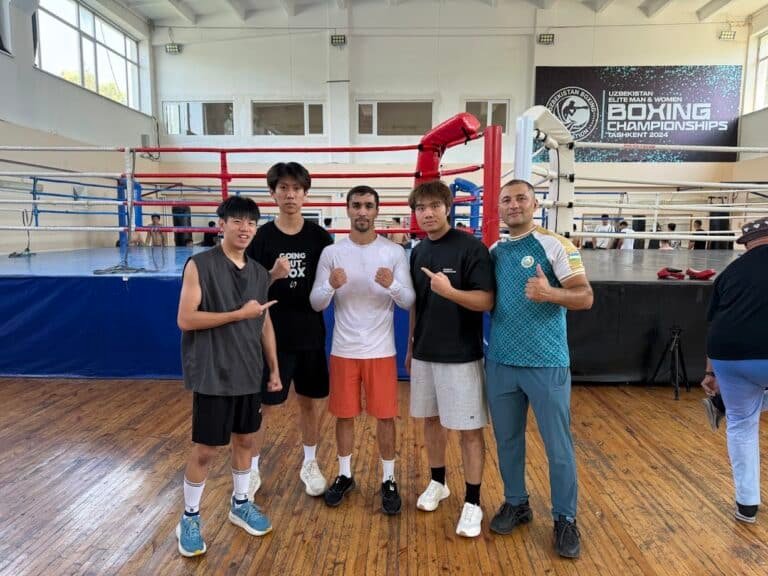
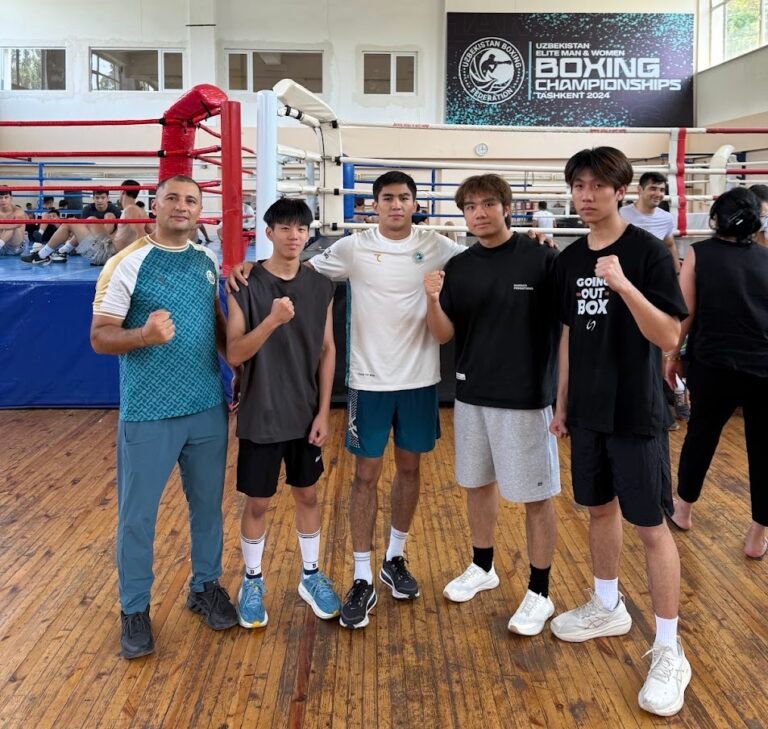
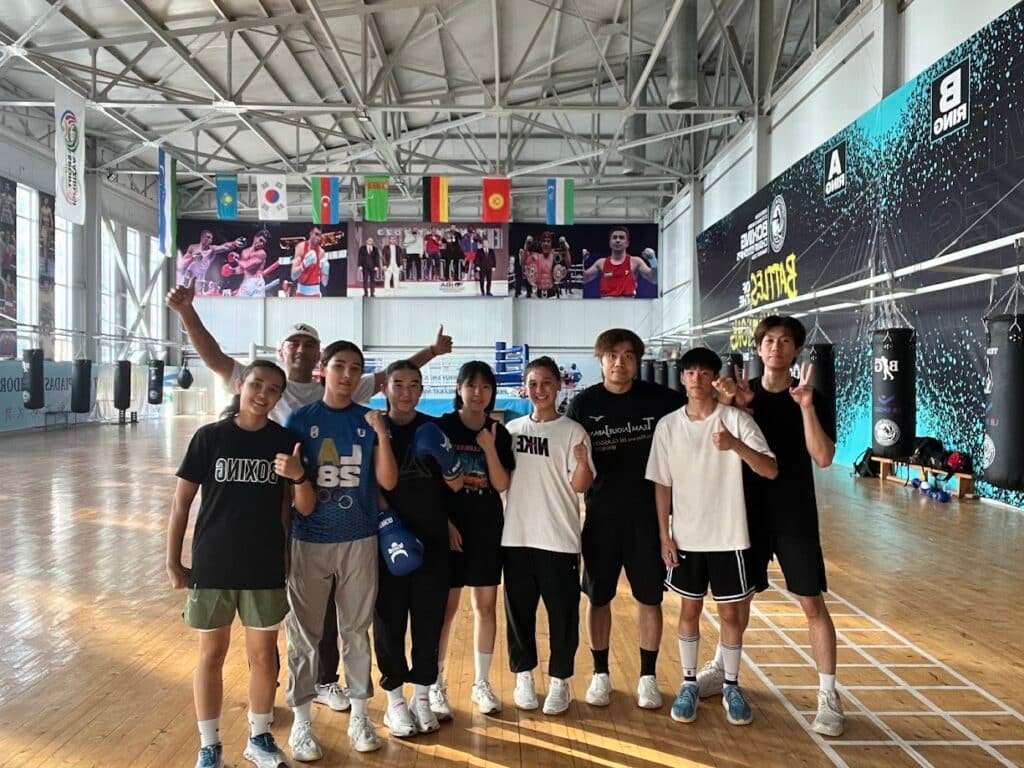
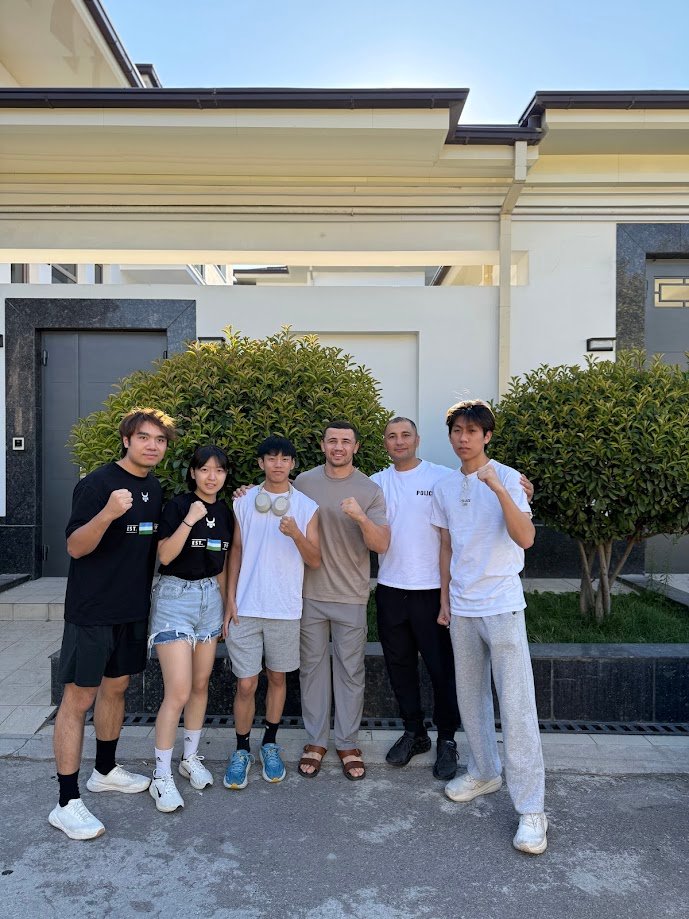
Recently, I led a group of boxers on an overseas training camp to Uzbekistan in Central Asia.

Today’s boxing world usually shines its spotlight on the MGM Grand in Las Vegas or, more recently, Riyadh, Saudi Arabia, fueled by “petrodollars.” But behind the glitz and the multi-million-dollar purses, if you ask any boxing insider, “Which country produces the most terrifying fighters on Earth right now?”

The answer won’t be the USA. It won’t be Mexico, either. The answer lies in Tashkent.

Just look at the medal tables from recent Olympics or names like Israil Madrimov and Bakhodir Jalolov, who are making veterans in professional boxing avoid them like the plague. You’ll know this “Central Asian Storm” is already here.

As a former Hong Kong Olympic representative and now a full-time coach, my trip to Uzbekistan wasn’t just for physical conditioning. I brought my analytical “breakdown” lens to unearth the underlying logic behind this nation’s mass production of boxing champions.

▍I. The Bloodline of History: A Fusion of the Soviet Machine and Central Asian Ferocity

To understand Uzbek boxing, you must first flip open the sports history of the Cold War era.

Uzbekistan’s boxing foundation is undoubtedly built on the massive “Soviet Boxing System.” During the Soviet era, sports were a display of national power, and boxing was a precisely calculated science. They didn’t care for the street-brawling, individual heroism seen in the US; instead, athletes were cultivated as precision combat machines—from biomechanics and sports psychology to nutrition, everything had strict SOPs.

After the Soviet Union collapsed in 1991, the sports systems of many member states collapsed with it, but not Uzbekistan’s. They didn’t just fully retain the Soviet-era Olympic Reserve Schools; they injected their innate Central Asian nomadic blood—a “wolf-like ferocity” honed by battling harsh climates on horseback—into this scientific system.

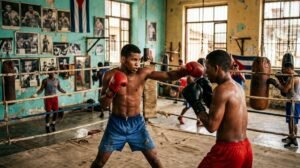
Here, boxing isn’t just a sport; it’s the ultimate shortcut for social mobility and the ultimate vessel for national pride. While the new generation of American fighters are on Instagram flexing Rolexes and sports cars, cherry-picking opponents to protect their belts, young Uzbek fighters are crammed into un-air-conditioned, sweat-drenched gyms with worn-out heavy bags, swallowing three ultra-high-intensity training sessions a day.

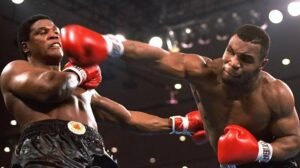
This is why I dare to make a contrarian statement here: the traditional American boxing style, which relies heavily on individual talent and single heavy punches, is facing a complete “dimensional strike” from this high-IQ, high-discipline Central Asian system.

💡 Essential Reading on Global Systems: Want to know the difference between the Olympic amateur system and the four major professional leagues? How do Hong Kong boxers step onto the international stage? Check this out: 👉 【World Boxing Competitions】Want to Represent Hong Kong? A Former Olympian Explains the Path of Amateur and Professional Boxing

▍II. Tactical Breakdown: Decoding the "Uzbek Monster's" Ring Enigma

To an amateur, Uzbek fighters just look like they have “great stamina, high punch volume, and are tough as nails.” But if you know what to look for, you’ll realize their technical details (Footwork & Distance Control) are downright terrifying. During these weeks leading the team in Tashkent, I stood ringside and broke down their technical core up close:


1. The Lethal Pendulum Step and Micro-Distance Control

The Uzbek system places extreme emphasis on leg strength and dynamic balance. Their signature “Pendulum Step” (bouncing back and forth) is definitely not for show; it’s designed to destroy the opponent’s sense of distance.

Through high-frequency forward and backward bouncing, they can instantly cut inside from out of range in fractions of a second. Just when you think you’re safe, their jab is already on the bridge of your nose; when you try to counter-punch, they’ve already used the backward momentum of the pendulum to retreat to a safe distance. This footwork is highly taxing on the calves and core, yet they can maintain this high-intensity movement and punch output for 3 rounds without dropping a beat.


2. Three-Dimensional Combinations

When teaching beginners combinations, it’s usually “1-2-3” (jab-cross-hook). But in the Uzbek training camps, I saw another dimension entirely.

Their combinations aren’t just a change of targets (head, body), but a change of rhythm and center of gravity. They are exceptionally good at using their lead hand to obscure vision and disrupt rhythm, paired with a side-step to drop heavy punches from your unexpected blind spots. When our top Hong Kong fighters were sparring with them, they often felt like they weren’t fighting a single boxer, but were instead trapped in an inescapable net.


3. Active Defense and Suffocating Pressure

Unlike Mayweather’s extreme passive evasion (Philly Shell), the Uzbek boxers’ defense is “offensive.” They are accustomed to maintaining a High Guard, using subtle head movement to deflect force, and then immediately returning fire. They rarely retreat to the ropes to be slaughtered; instead, they constantly press forward using micro-footwork. This technique, known in professional boxing as Ring Generalship, is executed at a textbook level by them.

💡 Advanced Technique Essential Reading: Want to develop the terrifying distance control and counter-punching of Uzbek fighters? You need high-quality dynamic padwork! Check this out: 👉 【Boxing Padwork】Just for Stress Relief? Former Olympian Breaks Down 5 Benefits and Rookie Mistakes

Uzb olympic center

▍III. The Devil is in the Details: Peeking into the Uzbek Training System

On this overseas trip, what shocked me most wasn’t their natural talent, but their ascetic-like training system.

“Basic, basic, always basic.”

This is the phrase the local coaches repeat the most. In Hong Kong, many people get impatient after a few months and want to learn flashy dodges or jump straight into hard sparring. But in Tashkent, a young boxer might spend years shadowboxing in front of a mirror, practicing footwork on lines drawn on the floor, and using tennis balls to hone their reflexes.

  • Conditioning is the cornerstone of everything: Their warm-ups are definitely not just casually jogging two laps. Gymnastics, dynamic stretching, and plyometrics make up a huge portion. They focus heavily on joint mobility and waking up the nervous system. Without sufficient conditioning, the best technique is useless in the final rounds.

  • High-intensity Condition Sparring: They strictly oppose mindless, street-brawl-style sparring. Every sparring session has a clear theme: for example, restricting to lead hand only, body shots only, or having one side solely defend without hitting back. This kind of training forces the fighter’s brain to process at high speeds, cultivating incredibly high Ring IQ.

  • Absolute Authority of the Master-Apprentice System: In Uzbek boxing culture, respecting the master is an uncrossable red line. The coach is God in the gym, and the fighters’ execution of commands is at 100%. This absolute discipline ensures they never panic, even when facing adversity in a fight.

▍IV. Nourishment Outside the Ring: Plov, Kurash, and the Daily Life of a Warrior Nation

To understand a country’s sport, you have to look at its culture. The reason Uzbek fighters have bones of steel is closely related to their local lifestyle.

First is the diet. During the training camp, we ate large pots of Plov with the local athletes. This is a “calorie bomb” stewed with massive amounts of lamb fat, lamb meat, carrots, and rice. To modern scientific nutrition, which emphasizes extremely low body fat, it might seem unhealthy; but for Uzbek boxers who burn an immense amount of calories daily, this is the purest source of energy. Their robust digestive systems and adaptability to rough diets forge their astonishing recovery capabilities.

Additionally, Uzbekistan has a traditional folk wrestling called Kurash. Many boxers have played this since childhood. This sport, which emphasizes gripping, center-of-gravity control, and close-quarters grappling, invisibly builds incredibly abnormal core and neck strength. When entering a clinch in the boxing ring, European and American fighters are often easily off-balanced and pushed around; the secret behind this is the traditional wrestling these Uzbeks grew up playing.

▍V. Commercial Ecosystem Landscape: Big Promoters' "Central Asian Gold Rush"

From a Boxing Business perspective, Uzbekistan is altering the global political landscape of boxing.

In the past, Olympic gold medalists turning pro was usually a game of America’s Top Rank or Britain’s Matchroom Boxing selecting local UK/US talents. But now, the eyes of Eddie Hearn and Bob Arum are locked onto Central Asia.

Why? Because the cost-to-performance ratio is simply too high.

Uzbek fighters usually accumulate two to three hundred fights during their amateur careers. They don’t need to spend three or four years crushing “Journeymen” to build their records like British or American rookies. The moment they turn pro, their technical maturity is directly at a world top-10 level.

While Western star fighters are still squabbling over purse splits and A-side/B-side privileges—making top-tier matchups incredibly difficult to finalize—the attitude of Uzbek fighters is usually: “As long as the money is fair, tell me the time and place, and I’ll fight anyone.”

This attitude makes broadcasting platforms like DAZN and ESPN love them to death. The four major boxing organizations (WBA, WBC, IBF, WBO) are also happy to let these powerful, highly active Central Asian warriors rise quickly. You can foresee that within the next 3 to 5 years, more than half of the world championship titles across all weight classes will be monopolized by Central Asian fighters. This is a hardcore tectonic shift in the boxing world.

Israil Madrimov

▍Conclusion: What Can We Take Away from Uzbekistan?

As the weeks of the Uzbekistan training camp came to an end, and our plane took off from Tashkent, I looked at the exhausted Hong Kong fighters sleeping soundly next to me, feeling a mix of emotions.

On this journey, we witnessed the world’s most elite training system. We saw that so-called “geniuses” are actually built through superhuman discipline, scientific deconstruction, and an extreme hunger for victory. Uzbekistan doesn’t have super luxurious boxing gyms or million-dollar PR packaging; they just have the purest reverence for boxing.

For the development of boxing in Hong Kong, we might not be able to fully replicate the massive state-sponsored system they inherited from the Soviet Union, nor might we be able to stomach lamb fat Plov every day. But what we can absolutely take away is their attitude of “practicing the basics to the extreme until they become a finishing move,” and their ring philosophy when facing strong opponents: “I’m not just going to beat you; I’m going to utterly destroy you technically and physically.”

If you’re also a boxing fanatic, the next time you watch a broadcast, don’t just pay attention to the flashy ring walks. Please save your gaze for those fighters with hard-to-pronounce names hailing from Central Asia. Look at their footwork, observe their distance control, and watch how they use the coldest discipline to write the most fiery epics of contemporary boxing.

This is real boxing.

🥊 Start Your Boxing Training with a World-Class Perspective

After reading this field report, do you also want to experience the power of “practicing the basics to the extreme”? Whether you want to get fit or aspire to step into the ring, Chan Ka Wa Boxing will guide you using the most scientific system closest to modern actual combat. We refuse blind, mindless brawling; a former Olympian will personally correct every detail of your force generation.

👉 WhatsApp Us Now to book your 【1-on-1 Pro Boxing Trial with a Former Olympian】and experience the purest Sweet Science!