
⚡ 1-Minute Tactical Overview: China & Taiwan Boxing Rise + Lessons for Hong Kong
- Taiwan's 4-Tier School Pipeline & Technical Distance Control: Seamless progression from junior high through national training centers, paired with geometric lead jabs and lateral pivots that propelled Lin Yu-ting, Chen Nien-chin, and Huang Hsiao-wen to global podiums.
- China's Sports-Science Engine & Soviet Pressure Evolution: Multi-disciplinary analytics and nutrition teams combined with a tactical shift from pure Cuban movement to Soviet/Central Asian high-pressure combinations.
- 3 Practical Takeaways for Hong Kong Boxers: Turn compact studio floors into laboratories for Russian Pendulum micro-spacing, adopt periodized S&C over outdated roadwork, and leverage Greater Bay Area & Taiwan sparring camps.
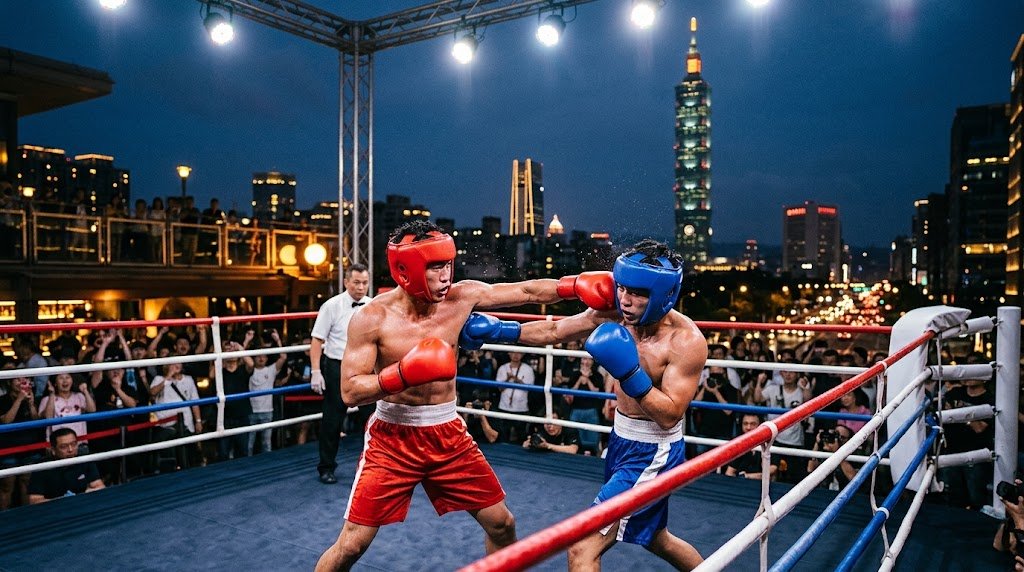
The Olympic and Asian Games breakthroughs of China and Taiwan offer a clear tactical blueprint for Hong Kong boxing.
Over the past few years, the global amateur boxing landscape has undergone a dramatic realignment. From the Paris 2024 Olympic Games through the 2026 Aichi-Nagoya Asian Games, one trend has become unmistakable: alongside traditional Central Asian powers (Uzbekistan and Kazakhstan) and a surging Indian squad, China and Taiwan have firmly established themselves among the world's premier boxing medal-winning nations.
As a former Hong Kong Olympic Boxing Representative and 2026 Youth Olympic Hong Kong Team Coach—with 5 years of high-intensity international competition and 8 years of full-time coaching experience—I frequently discuss a central question with young athletes and fight fans in our Lai Chi Kok studio: "We all have two arms and two legs—why are Taiwan and China capturing Olympic and Asian Games gold medals while Hong Kong boxers face such steep hurdles reaching the international podium?"
Let's cut past polite generalities and examine the training systems, biomechanical priorities, and institutional structures behind Taiwan and China's rise—and explore how Hong Kong boxers and coaches can adapt their best practices despite our city's real-estate and full-time funding constraints.
1. Taiwan Boxing: Grassroots Pipeline & Precision Distance Control
Taiwan's surge onto Olympic and Asian Games podiums is the harvest of more than fifteen years of methodical grassroots investment. Led by global stars such as Lin Yu-ting, Chen Nien-chin, Huang Hsiao-wen, and Wu Shih-yi, Taiwan has shown the boxing world how surgical distance control and ring intelligence can neutralize larger, heavier-hitting opponents.
1. A Seamless 4-Tier School-to-National Pipeline
One of Taiwan's greatest structural advantages is its integrated academic-athletic pathway: Junior High School ➔ Senior High School ➔ University ➔ National Sports Training Center. Promising youths are identified around age 12 or 13 and placed into dedicated school sports programs where academic progression and daily technical training coexist. That structure removes the painful choice between education and sport, enabling young boxers to accumulate dozens of competitive bouts before turning 20.
2. Technical Counter-Punching Tailored for East Asian Builds
East Asian boxers rarely enjoy the raw upper-body mass of Eastern European or Central Asian fighters, so Taiwan's coaching staff engineered a smart, high-IQ stylistic identity built on three pillars (see how Lin Yu-ting executed this to win 60kg gold in our 2026 Nagoya Asian Games Boxing Recap):
- Geometric Lead Jab & Visual Feints: Turning the lead jab into an exact measuring rod paired with constant feints to keep power punchers locked outside their effective range.
- Lateral Footwork & 45-Degree Pivots: Refusing to trade static blows in center ring—instead using crisp lateral slides and lead-foot pivots to deflect straight pressure and counter from blind-spot angles.
- Battle-Hardened Road Composure: Taiwanese boxers frequently travel overseas for multi-nation training camps, cultivating calm, disciplined tactical execution even when trailing on the scorecards.
2. China Boxing: Sports-Science Infrastructure & Soviet-Style Pressure
If Taiwan boxing resembles a razor-sharp scalpel, modern China Boxing operates like a heavily armored, data-guided tactical machine. China's women's squad has set the global gold standard across recent Olympic and Asian Games cycles, while its men's divisions have made major strides in physicality and combination output.
1. Multi-Disciplinary Sports Science & Video Analytics
Behind every Chinese national team starter stands a dedicated support unit of biomechanists, sports nutritionists, physiotherapists, and performance data analysts. Coaching staffs systematically catalog opponents' punch tendencies, defensive habits, and Round-3 fatigue patterns—ensuring athletes enter the ring with tailored tactical blueprints.
2. Evolving From Cuban Movement to High-Pressure Soviet Combinations
China's stylistic evolution is particularly instructive. In earlier decades, China hired Cuban coaches who instilled fluid footwork and perimeter counter-punching. However, once amateur boxing switched to the professional 10-Point Must System—rewarding ring generalship and clean damaging punches—China integrated Russian and Central Asian coaches. Today's Chinese boxers combine agile footwork with tight high-guard pressure and punishing inside combinations (explore how Central Asian Soviet science shapes modern boxing in our Uzbekistan Boxing Training Camp Report).
| System Factor | Taiwan Boxing System | China Boxing System | Hong Kong Reality & Hurdles |
|---|---|---|---|
| Athlete Pipeline | 4-tier school-to-university-to-national-center pathway. | Full-time provincial and national teams with state funding. | Part-time students and working professionals training after hours. |
| Training Facilities | Dedicated school gyms and full-size Olympic rings. | Large national sports bases and altitude training centers. | Compact commercial/industrial studios due to high rent. |
| Dominant Style | Perimeter jab control, lateral pivots, counter-punching. | Cuban movement base fused with Soviet high-pressure combos. | Sharp close-range reflexes, but often lacks mid-range power structure. |
| Sparring Ecosystem | Frequent inter-school bouts and overseas training camps. | Deep domestic talent pool across provincial squads. | Small local pool with limited sparring partner variety. |
3. The Hard Reality: 3 Structural Hurdles Facing Hong Kong Boxing
Comparing Taiwan and China highlights three structural constraints that Hong Kong boxing must navigate honestly:
- High-Density Real Estate Constraints: Sky-high commercial rents mean most Hong Kong gyms operate in compact spaces that cannot house a full 20×20-foot Olympic ring—limiting opportunities to drill wide, perimeter retreat footwork.
- Part-Time Schedules & Commercial Pressures: Because Hong Kong's cost of living leaves virtually no full-time amateur boxing stipends, competitive boxers train late at night after school or office hours, while gyms must balance competitive coaching with mainstream fitness classes.
- A Compact Local Sparring Pool: With a smaller competitive community, local boxers quickly memorize one another's rhythms—making it harder to prepare for unfamiliar international styles without leaving the city.
4. Turning Constraints Into Advantages: 3 Strategic Takeaways for Hong Kong
While Hong Kong cannot replicate state-funded training bases overnight, Hong Kong athletes excel at adaptability, speed of learning, and strategic efficiency. As a former Hong Kong Olympic Boxing Representative, I believe three targeted shifts can unlock major breakthroughs for Hong Kong boxing:
- Tactical Adaptation — Embrace Soviet Micro-Spacing & Pendulum Footwork: Instead of lamenting compact gym floors, Hong Kong boxers should double down on Soviet Boxing Science—replacing wide perimeter retreats with half-step Russian Pendulum footwork (Chelnok), millimeter head-slot evasion, and 45-degree lead-foot pivots that cut blind-spot angles inside tight quarters (read our HK Boxing Gym Space & Russian Footwork Guide).
- Training Methodology — Replace Old-School Roadwork with Sports Science: We can immediately adopt China and Taiwan's evidence-based conditioning—replacing monotonous 10 km runs and arm-heavy bag pounding with targeted anaerobic lactate-threshold intervals and ground-up kinetic-chain power mechanics so every 60-minute after-work session delivers maximum transfer (explore our Boxing Energy Systems & Conditioning Guide).
- Regional Leverage — Cross-Border Sparring Camps in the GBA & Taiwan: Hong Kong sits at a prime geographic crossroads: high-speed rail connects Kowloon to Shenzhen and Guangzhou (home to former Chinese provincial and national coaches) in under an hour, while Taipei is a 90-minute flight away. Organized cross-border sparring camps expose Hong Kong fighters to Chinese pressure and Taiwanese range control simultaneously (explore local competition steps in our Hong Kong Amateur Boxing Competition Guide).
5. Conclusion: Boxing With Intelligence & Science in Hong Kong
🥊 Coach Chan's Takeaway: Bringing Soviet Boxing Science to Everyday Hong Kong Trainees
The rise of China and Taiwan is not discouraging news for Hong Kong—it is a clear roadmap proving that modern boxing rewards biomechanical efficiency, tactical intelligence, and sports science over brute force. That exact philosophy is how our homegrown youth athlete Chan Yik Kan progressed from zero experience inside our Lai Chi Kok studio to representing Hong Kong at the U19 World Boxing Championships and competing internationally in Africa (read his story in our Youth Olympic Boxing & Chan Yik Kan Feature).
At Chan Ka Wa Boxing (CKW Boxing) in Lai Chi Kok, Kowloon, we translate Olympic-level Soviet Boxing Science into a supportive two-tier Student Roadmap & Safety Gate System for beginners, professionals, and youths aged 8+:
- Level 1 — Foundation & Safety Stage (Zero Forced Sparring): All newcomers (including experienced fitness boxers and martial artists from other styles) and youth beginners aged 8+ start at Level 1. We build your orthodox Boxing Stance, ground-up kinetic-chain power, Russian Pendulum Step, and 1-on-1 focus-mitt timing—with strictly zero forced sparring guaranteed in writing (explore our Boxing Fitness Classes, 1-on-1 Private Boxing Classes, and Kids & Teens Boxing Classes).
- Level 2 — Technical & Conditional Sparring Stage: Once your defensive habits and footwork composure are solid—and after passing a dedicated 3-to-5-minute 1-on-1 coach safety evaluation—you unlock Level 2 Technical Classes and supervised Sparring Nights. Dedicated members who later enter amateur bouts also qualify for our Competition Reward Program, earning renewal discounts up to lifetime free training.
6. FAQ: Asian Boxing Systems & Training in Hong Kong
Q1: Can beginners in Hong Kong really master authentic Soviet footwork and distance control inside a compact studio?
Yes—compact spaces actually sharpen micro-distance precision. Modern Soviet boxing relies on compact half-step Pendulum adjustments and 45-degree lead-foot pivots rather than wide perimeter running. At CKW Boxing, mirror shadow boxing and 1-on-1 focus-mitt angle drills teach complete newcomers how to control range within two steps.
Q2: As a working professional in Hong Kong with zero boxing experience, should I choose 1-on-1 Private Classes or Group Fitness Classes?
Both welcome complete beginners: Choose our Boxing Fitness Classes for a high-energy after-work sweat while learning foundational combinations, or choose 1-on-1 Private Boxing Classes for 100% individualized posture calibration, injury prevention, and accelerated technical progress (compare both formats in our Private Coach vs. Group Class Guide).
Q3: Where is CKW Boxing located in Kowloon, and how do I book an introductory trial?
Our private reservation-only studio is located at Dr Kong Center, 550 Castle Peak Road, Lai Chi Kok, Kowloon (2–5 minutes' walk from Lai Chi Kok MTR Exit B2). Newcomers enjoy special introductory Trial Session rates: HK$100 for a Group Trial Session or HK$250 for a 1-on-1 Private Assessment Trial (full 60 minutes including posture and kinetic-chain evaluation, regular price HK$800). Complimentary sanitized loaner gloves are provided, with strictly zero forced sparring and 100% zero hard-selling (check our Weekly Timetable and Class Pricing).
The Rise of China & Taiwan Boxing: A Former HK Olympian Breaks Down Their Training Systems & Takeaways for Hong Kong
Why are China and Taiwan dominating Asian & Olympic boxing? Former HK Olympian Chan Ka Wa compares their systems and shares 3 tactical takeaways for Hong Kong.
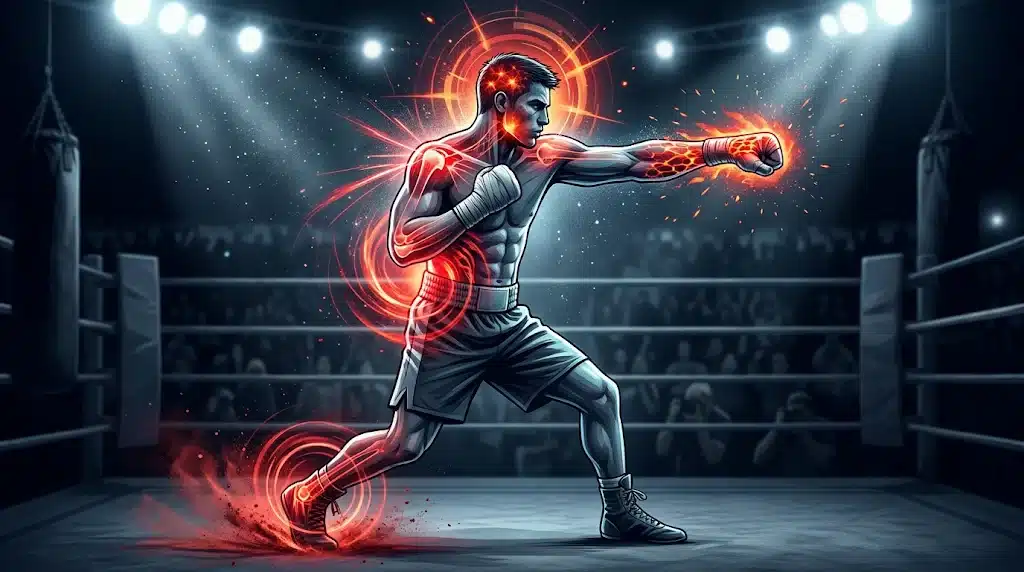
5 Most Common Boxing Injuries & How to Prevent Them Using the Soviet Kinetic Chain — A Former HK Olympian’s Guide
Worried about wrist, shoulder, or lower back pain from boxing? Former HK Olympian Chan Ka Wa explains 5 common boxing injuries and Soviet kinetic-chain fixes.
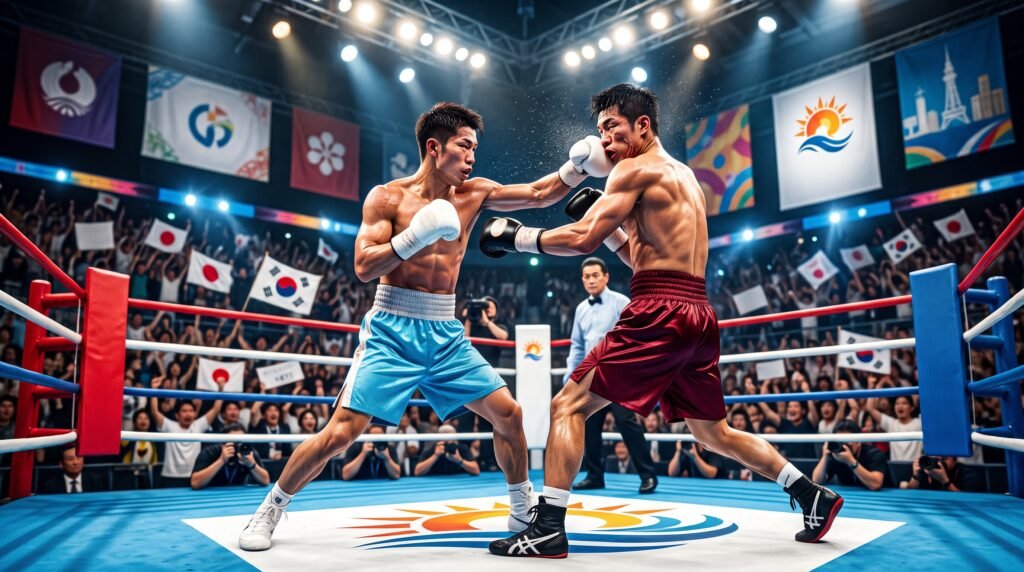
2026 Nagoya Asian Games Boxing Recap: A Former HK Olympian Breaks Down India’s Rise & Tactical Shifts
India topped the 2026 Nagoya Asian Games boxing medal table while Lin Yu-ting claimed 60kg gold. Former HK Olympian Chan Ka Wa breaks down the tactical shifts.
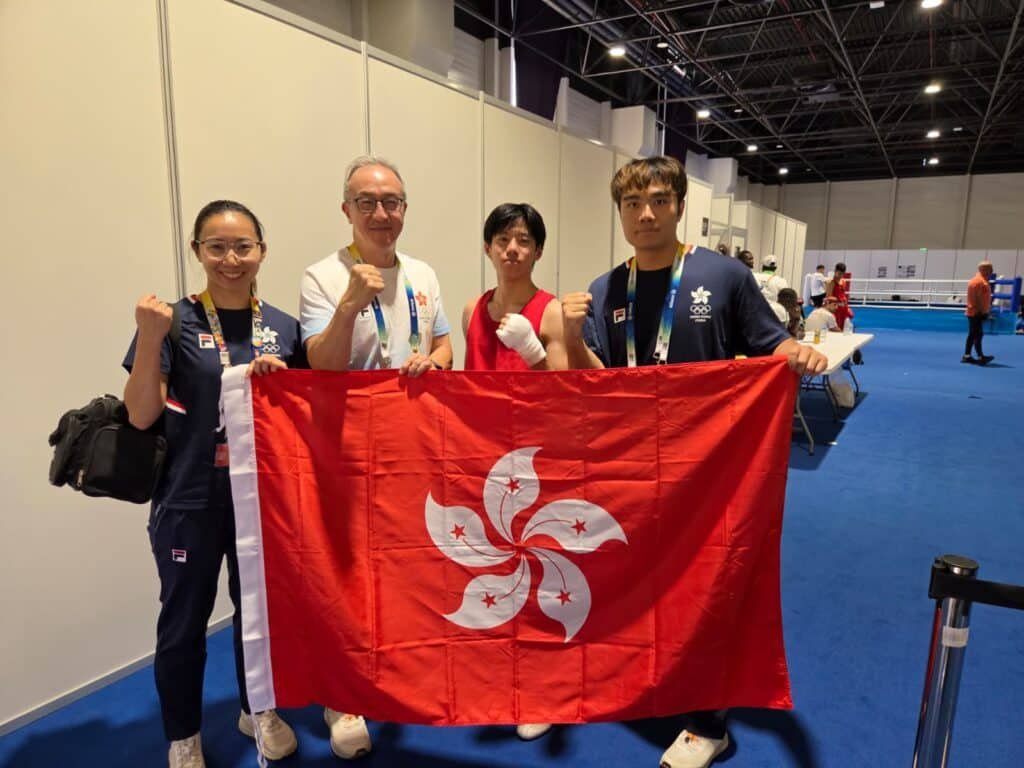
Youth Olympic Boxing & U19 Worlds: Homegrown CKW Boxing Star Chan Yik Kan’s Road to Africa
How tough is Youth Olympic Boxing? Former HK Olympian & 2026 YOG Coach Chan Ka Wa profiles homegrown CKW Boxing star Chan Yik Kan’s U19 Worlds & Africa campaign.
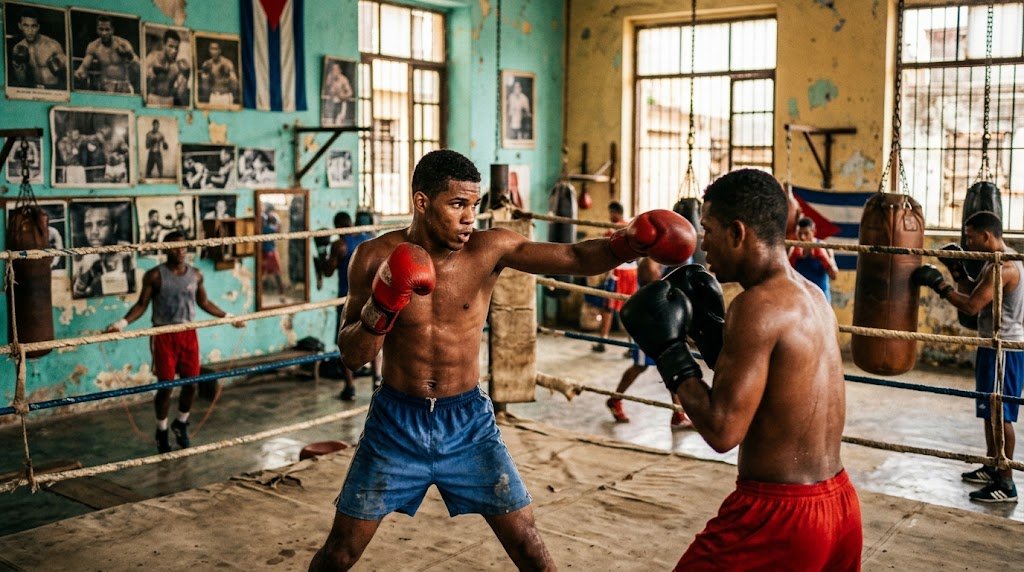
Why Did Cuban Boxing Fall From Dominance? A Former HK Olympian Breaks Down 4 Hard Truths Behind the Dynasty’s Decline
Why did Cuban boxing lose its Olympic throne? Former HK Olympian Chan Ka Wa breaks down 10-point scoring reforms, Central Asian Soviet evolution & defections.
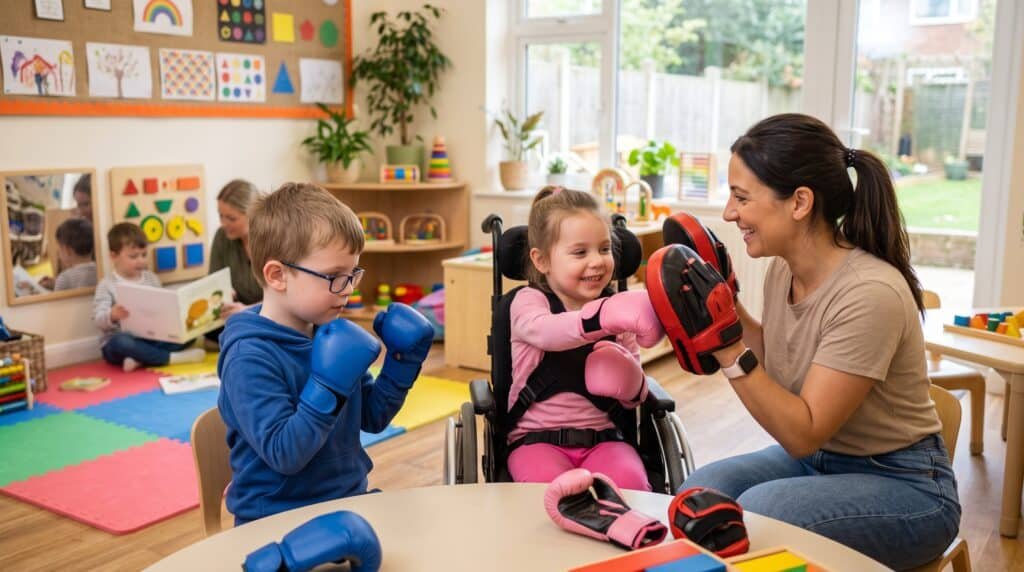
Is Boxing Violent? A Former HK Olympian Explains 4 Reasons Why Boxing Helps SEN Kids (ADHD, Autism & DCD)
Think boxing is too aggressive for SEN children? Former HK Olympian Chan Ka Wa explains how 1-on-1 focus mitts & Soviet footwork boost focus in ADHD & ASD kids.